Backseat Offroad Summit Climb Builds
Loadouts and habits for the steep forest-to-snow pitches.
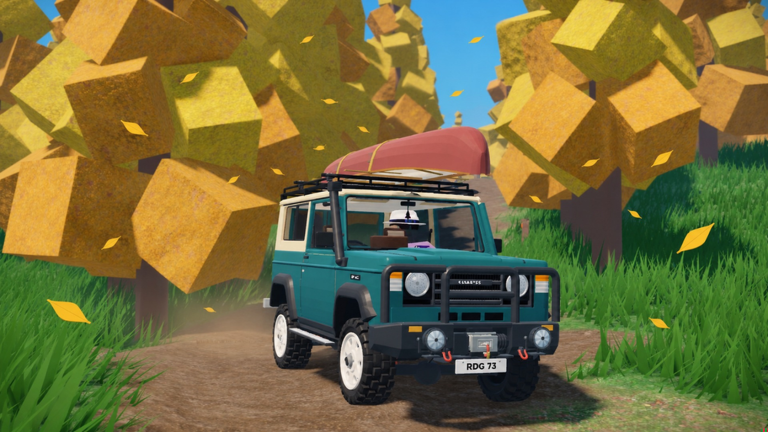
Summit runs in Backseat Offroad punish haste. The map climbs from lakeside forest through rock shelves toward a snowy summit, and the trucks that make it are usually the ones with deliberate low range, locked diffs, and a winch already pointed at a trustworthy anchor. This guide turns the Tier List Hub climb rankings into concrete build habits for November 2026.
We still avoid fake proper vehicle names. Pick the garage 4x4 that matches the Summit Specialist or Heavy Haul role when possible, but a well-driven Starter Crawler completes most pitches if you refuse to panic-throttle.
Build goals for steep climbs
- Maximize controllable torque at walking speeds.
- Keep belly and bumper clearance without creating a tippy skateboard.
- Guarantee a working winch before the crux.
- Preserve steering precision on off-camber ice.
- Leave enough composure for a reverse-and-retry instead of a heroic launch.
Core parts checklist
| Part | Climb priority | Notes |
|---|---|---|
| Low range | Mandatory | Shift before the steep face, not halfway up while sliding |
| Diff lockers | Mandatory | Lock when both sides need equal bite; unlock for tight hairpins if the truck binds |
| Winch | Mandatory | Test spools in the forest; carry mental anchors (stumps, rocks, partner bumpers) |
| Lift | High | Enough for ledges; too much raises rollover risk on snow shelves |
| Engine swap | Medium–High | Prefer tractable swaps over peak horsepower that digs holes |
| Snorkel | Situational | Needed on approaches with river crossings; optional on dry alpine only routes |
| Canoe | Low for pure summit | Fun for lake logistics; leave it if weight or hitch angles bother your line |
Recommended role loadouts
Summit Specialist — primary climber
- Moderate-to-tall lift tuned so the front bumper still sees the next ledge.
- Engine swap biased to low-end crawl, not highway pull.
- Winch bumper clear of the tire’s full lock steer.
- Practice locker timing on a short rock staircase before the full summit push.
Heavy Haul — anchor and self-recovery truck
- Slightly conservative lift so mass stays planted.
- Winch rated (in your mind) for partner pulls — see Co-op Winching.
- Excellent when you expect to stop and haul a lighter scout out of a shelf.
Starter Crawler — budget summit clear
- Stock-ish stance plus winch and lockers first; lift second.
- Ideal while you learn brake-and-crawl rhythm from Getting Started.
- Upgrade engines only after you stop spinning tires for fun.
Narrow Trail Scout — approach specialist
- Use it to reach the base through timber, then swap mentally (or literally, if you return to garage) for the crux.
- If you insist on summiting in it, reduce lift and accept more winch usage.
River Runner — wet approach builds
- Snorkel on, calm fords on the way to alpine village landmarks, then treat snow like a different sport.
- Do not assume water skill transfers to ice crust.
Driving technique that beats raw tier
Enter slow. If you need a run-up, your line is wrong or your range is still high.
Straighten before throttle. Twisted steering on a locker climb washes the front and high-sides the rear.
One shelf at a time. Crest, reset cameras, re-aim the winch, then take the next ledge.
Winch early. The best pull is the one you start before the truck is belly-bound.
Reverse is progress. Backing down two meters to try a left-offset line is faster than a ten-minute flip recovery.
Read snow separately. Polished ice wants tiny inputs. If you polish a groove, stop digging; change angle or wait for a partner anchor.
Sample ascent plan (solo)
- Run the Trail Checklist at the garage.
- Leave lakeside forest with fuel mindset, winch free of debris, lockers understood.
- Clear river segments with snorkel habits if your route includes them (Tier List water column).
- At timberline, re-check lift vs. tip risk; air down your expectations, not just tires.
- On the crux, low range + lockers + winch pre-aimed at a rock horn or stump.
- After summit screenshots, descend with the same patience — most flips happen going down.
Sample ascent plan (duo)
- Pair Summit Specialist (lead) with Heavy Haul (anchor).
- Lead climbs a shelf while the anchor stays on flat ground with a clean winch vector.
- Swap roles if the lead needs a downhill tow after a failed attempt.
- Communicate camera directions; winch ropes hate mystery angles — details on Co-op Winching.
Mistakes that fake a “bad truck”
- Climbing in high range because it “feels faster”
- Spamming throttle until tires glaze snow
- Mounting maximum lift then blaming physics on every off-camber
- Forgetting the winch until the chassis is already wedged
- Bringing a cabin-hunting scout setup into a pure ice staircase without re-gearing
After you summit
Note which parts actually mattered. If the winch saved you more than the engine swap, prioritize recovery hardware on the next garage visit. Watch Launch Notes and the Updates Hub when traction or winch rules change — climb tiers move with patches.
Skip injectors. The Scripts Hub still has nothing verified, and a ban does not make the summit count.
Related pages
- Tier List Hub — full role tables for climb, water, snow, exploration
- Co-op Winching — partner angles for crux shelves
- Trail Checklist — pre-departure routine
- Guides Hub — broader systems help
Build for patience. In Backseat Offroad, the truck that creeps finishes more summits than the truck that launches.
Frequently Asked Questions
Quick answers for crawls, winches, and co-op trails.
What is the single most important climb upgrade?
A working winch plus locker and low-range discipline. Engine swaps help, but recovery and traction control save more runs.
Should I max the lift for summit attempts?
Use enough clearance for ledges, then stop. Extreme lift increases rollover risk on snowy off-camber shelves.
Can the Starter Crawler reach the summit?
Yes with patient lines, lockers, and winch use. It is slower than a Summit Specialist role build but very teachable.
Do I need a friend to climb?
Solo is viable. A duo with clear anchor roles is safer on the steepest cruxes and flips.