Backseat Offroad Lifts, Snorkels, and Engine Swaps
Upgrade classic 4x4s for clearance, water confidence, and stronger mountain pulls.
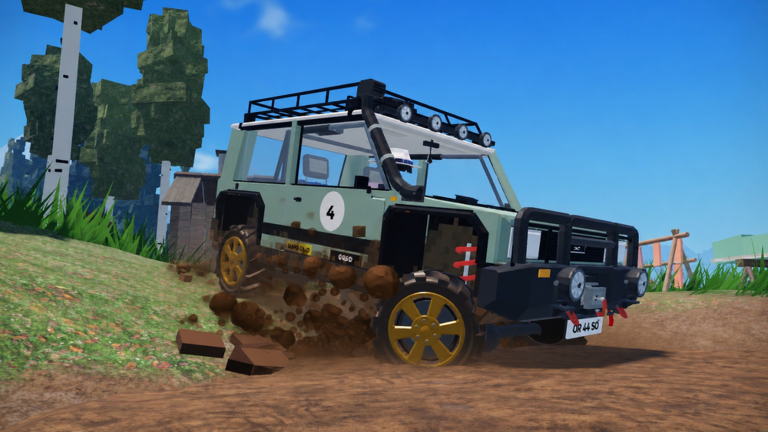
Backseat Offroad starts you in five old 4x4s that already feel like trail trucks: low range, diff lockers, and enough character to flip if you disrespect a ledge. Upgrades—especially lifts, snorkels, and engine swaps—stretch what those classics can do on the climb from lakeside forest to snowy summit. This guide explains what each category is for, how to prioritize them, and how hardware still loses to bad line choice.
If you have not driven a clean forest loop yet, complete Getting Started and learn Controls before spending resources. Upgrades amplify good habits; they do not invent them.
Upgrade philosophy
Ask three questions before you buy or fit a part:
- What failure am I actually hitting—belly scrapes, flooded intakes, or lack of pull on steep snow?
- Will a better line, low range timing, or a winch practice session solve it cheaper?
- Does this part help the routes I drive this week (forest secrets vs summit pushes)?
Hardware should answer a real pain. Fashion lifts on trucks that only cruise flat lakeside roads are optional flair; lifts on trucks that high-center every cabin spur are tools.
Lifts: clearance and approach angles
A lift raises the chassis and usually improves approach, departure, and breakover geometry. That means rock shelves and rutted cabin roads are less likely to pin your belly. Lifts pair naturally with careful throttle—higher center of gravity can feel tippier on off-camber roots.
Lift when:
- You repeatedly high-center on mid-mountain rocks.
- Cabin spurs in Hidden Places keep trapping stock ride height.
- Crossed axles drag differentials on sharp ledges even with lockers doing their job.
After lifting:
- Re-learn braking points; the truck may pitch differently.
- Take side hills slower.
- Keep Winch Recovery skills sharp—taller trucks that do tip need cable confidence.
Snorkels: breathing in the wet
Snorkels help the engine breathe when crossings get deeper than hood badges suggest. They shine on lakeside forest fords and any route that mixes rivers with exploration. They do not grant flight over water physics. Combine snorkels with the scouting habits in Canoe and Water: paddle or camera-check depth, cross in low range, and winch soft exits instead of digging.
Fit a snorkel when water, not rocks, ends your sessions. Skip it temporarily if your only problem is dry summit traction—and revisit when you start linking lake secrets into longer loops.
Engine swaps: pull without panic
Engine swaps change how the truck pulls. More usable power helps loaded climbs, dual-vehicle tows, and snow grades where you need torque without screaming wheelspin. More power also makes it easier to dig holes if you forget low range. Treat a stronger engine as a reason to be smoother, not louder.
Swap when:
- Stock power stalls on summit approaches even with correct modes.
- You often tow friends and the helper truck struggles to hold ground.
- You want faster transit between exploration bands without abandoning crawl manners on obstacles.
Always re-test locker behavior after a swap. Power delivery changes can make wheelspin appear earlier, which means earlier low range and smarter throttle—see Low Range and Diff Lock.
Suggested priority paths
Explorer path (cabins & viewpoints): lift first for clearance, snorkel second if shoreline secrets matter, engine third for linking distant finds.
Summit path: engine and low-range mastery first, lift as rock difficulty rises, snorkel when snowmelt rivers sit on the approach.
Co-op rescue path: engine for helper pulls, practice winch geometry, then lift so rescue trucks can stage on uneven shelves.
These are guidelines, not loot-table law. Adjust to the failures you log in chat.
How upgrades interact with systems
- Lift + lockers: clearer articulation moments, still unlock on grippy transit roads.
- Snorkel + canoe scouting: fewer surprise drownings.
- Engine + winch: stronger assists, higher tip risk if you yank sideways.
- Any upgrade + bad binds: still misery—verify inputs on Controls.
Garage session checklist
- Note your last three failures (scrape, flood, stall, tip).
- Pick one upgrade category that addresses the top failure.
- Fit the part and test on a known forest obstacle, not a brand-new cliff.
- Compare the same climb in low range before/after.
- Only then take the truck to alpine village or summit rim routes.
- Write a mental note for friends—co-op groups sync better when everyone knows who has snorkels and who is still stock height.
Comparing the five trucks
All five classics share the fantasy of low range and lockers, but they will not feel identical after upgrades. Some may take lifts with less drama; others may prefer engine character. Use the Tier List as a community opinion board and your own timed-feel notes as truth. The “best” truck is the one whose upgraded weaknesses match your favorite trails.
Economy and patience
Because the game refuses a race timer, you can earn and fit parts without FOMO. Do not rush a full kit on day one. A single well-chosen lift plus solid winch habits outperforms a maxed truck driven like a demolition derby. Check Updates if patch notes rebalance garage options, and ignore unverified Codes rumors—there are no confirmed promo codes yet.
Mistakes to avoid
- Buying power before learning low range.
- Lifting then attacking side hills at forest-road speed.
- Assuming snorkels erase the need to scout with the canoe.
- Upgrading while keybinds are still wrong.
- Judging a truck stock after one failed summit; revisit after modes and a lift.
Where to go next
- Practice the new clearance on secret spurs via Hidden Places.
- Stress-test water routes with Canoe and Water.
- Keep recovery sharp with Winch Recovery.
- Return to the Guides Hub for the full how-to map.
- Skim Players for co-op upgrade etiquette and convoy ideas.
Closing
Lifts give you room to fail less on rocks. Snorkels give you room to breathe in the wet. Engine swaps give you room to pull when the grade laughs at stock power. None of them replace reading the trail. Fit parts with intent, test on known ground, and let the mountain teach you what the garage still owes you. No timer, no race—just a better-prepared 4x4 and the friends who winch you when ambition outruns clearance.
Frequently Asked Questions
Quick answers for crawls, winches, and co-op trails.
Which upgrade should I buy first?
Pick the part that fixes your most common failure: lifts for high-centering, snorkels for deep fords, engine swaps for weak steep pulls.
Do upgrades replace low range and diff lock?
No. Upgrades widen margins. You still need crawl gears, lockers, and smart lines on rocks, mud, and snow.
Are snorkels required to reach the summit?
Not necessarily. They matter more on deep water routes. Summit climbs care more about low range, traction, and sometimes lifts.
Can engine swaps make the truck harder to drive?
Extra power can increase wheelspin if you stay in the wrong mode. Re-learn throttle in low range after a swap.