Backseat Offroad Canoe, Rivers, and Snorkels
Paddle the canoe, plan crossings, and keep intakes breathing when trails meet water.
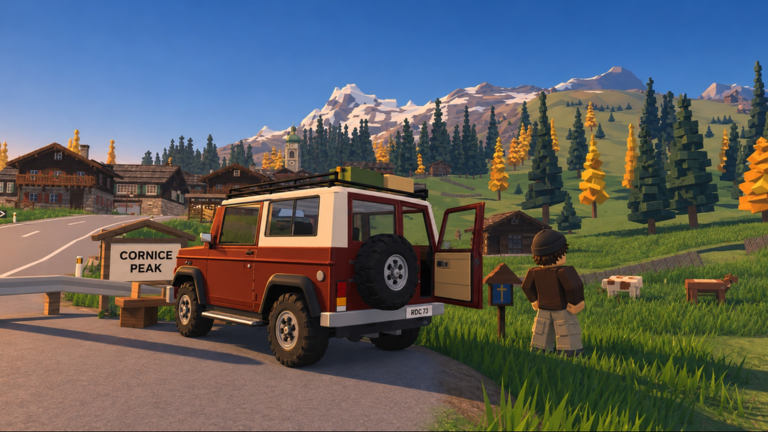
Water is not a loading-screen decoration in Backseat Offroad. The open map runs from lakeside forest up toward snow, which means shorelines, river crossings, flooded ruts, and a canoe you can paddle when leaving the 4x4 makes more sense than drowning it. This guide covers paddling basics, crossing strategy, snorkel mindset, and how water ties into winching, lockers, and upgrades.
Warm up with Getting Started if you are new, and keep Controls handy for device-specific inputs while seated in a truck or canoe.
Why water trips players up
Old 4x4s love shallow fords and hate surprise depth. Clear lake edges can hide soft bottoms. River currents push light trucks sideways. Snowmelt near higher elevations can raise crossings that looked fine an hour earlier in your memory. Add wheelspin, and you carve a bathtub under the chassis. The fix is scouting, correct modes, optional snorkels, and knowing when to switch to the canoe.
Canoe paddling overview
The canoe is a feature, not a joke prop. Use it when:
- A shoreline secret or viewpoint is easier by water than by rock ledge.
- You want to scout a river’s depth before committing the truck.
- Co-op partners stage trucks on opposite banks and need a ferry for a player.
- You are hunting lakeside entries listed in spirit by Hidden Places.
Paddling tips:
- Board from a gentle bank, not a cliff shelf.
- Paddle with short, even strokes; oversteering spins you in place.
- Keep the camera high enough to spot rocks and shallows.
- Aim for sandy exits where you can beach without flipping.
- Re-mount your 4x4 only after the canoe is clear of the driving line so nobody drives over it.
Treat the canoe as a scout vehicle. Many failed crossings start with “it looked shallow from the hood.” A sixty-second paddle can save a twenty-minute winch opera.
River crossing checklist (4x4)
- Stop and look. Walk the camera along the crossing. Find the upstream and downstream edges.
- Pick the widest shallow shelf, not the shortest deep cut.
- Shift to low range before entry so you do not surge mid-stream—see Low Range and Diff Lock.
- Enter slowly with steady throttle. Bow waves look cool and drown intakes.
- Steer into mild current enough to track straight without fighting the flow into a hole.
- Avoid stopping in the deepest center unless you must; restarting can dig tires.
- Exit on the firmest ramp you pre-selected. If you bog on the far bank, winch immediately instead of excavating.
If the far bank is a ledge, stage a friend above with a cable ready per Winch Recovery.
Snorkels: what they change
A snorkel raises the effective air intake path so deeper water is less likely to hydrolock the fantasy of your engine bay. It does not make the truck a submarine. You can still flood cabins, float off line, or trap tires in silt. Fit a snorkel when you repeatedly cross lakeside forest fords or when your exploration route hugs shore cabins. Installation mindset and related parts sit in Vehicle Upgrades alongside lifts that keep differentials higher above the wet stuff.
Snorkel habits:
- Still scout depth; the part is insurance, not permission.
- Cross straighter and slower than your ego wants.
- After a deep ford, pause on the bank and confirm the truck still pulls cleanly before the next climb.
- Combine with lockers only as needed—spinning in deep silt with lockers on can bury you symmetrically.
Lakeside forest routes
The forest band is a water classroom. Practice:
- A short puddle run in low range.
- A wider ford with a pre-aimed winch tree.
- A canoe lap across a calm cove to a visible rock.
- A cabin spur that brushes the shoreline from Hidden Places.
Do these before you mix snowmelt crossings higher up. Cold elevation water plus steep exits is a final exam, not a tutorial.
Muddy banks and diff lock
Banks often fail after the water succeeds. You climb out, hit clay, and one tire polishes itself uselessly. Engage lockers as the truck leaves the water if an axle unloads, then unlock on firmer dirt. If both rear tires dig, stop and winch rather than manufacturing a trench that needs three friends.
Co-op water tactics
- Spotter stands on the bank (or paddles ahead) and calls depth.
- One truck crosses while another waits as a recovery anchor.
- Do not stack four trucks mid-ford “for fun” in public servers—leave a lane.
- Share snorkel and lift advice instead of laughing people off a cliff exit.
- If someone flips into shallows, prioritize safe winch geometry over memes.
When not to cross
Skip a ford when:
- You cannot see the bottom and have no canoe to scout.
- Exit ramps are undercut cliffs with no winch tree.
- Your engine already feels unhappy after a previous deep hit.
- A safer upstream bridge-like rock shelf exists a minute away.
- Night lighting hides the line and your group is tired.
The game’s motto still applies: no timer, no race. Waiting is free.
Linking water to the rest of your crawl
Water skills feed summit pushes and secret hunting. A lakeside viewpoint might require a canoe approach. An alpine route might begin with a cold river. Keep the Guides Hub bookmarked, verify binds on Controls, and harden the truck via Vehicle Upgrades when crossings keep punishing stock height. Watch Updates for any patch notes that touch water depth or canoe behavior.
Practice plan (one session)
- Verify controls on land.
- Paddle a short canoe out-and-back.
- Cross a known shallow ford in low range.
- Intentionally bog a soft exit and winch free once.
- Retry the same ford after imagining a snorkel fitted—note how line choice still mattered.
- End by visiting one shoreline cabin spur.
Closing
The canoe turns the lake into a trail. Snorkels turn risky fords into manageable ones. Low range, lockers, and winches turn far-bank panic into a story. Respect depth, scout like a paddler, drive like a crawler, and water becomes part of the mountain’s charm instead of a run-ender. Next, harden hardware on Vehicle Upgrades or chase overlooks with Hidden Places.
Frequently Asked Questions
Quick answers for crawls, winches, and co-op trails.
Can you really paddle a canoe in Backseat Offroad?
Yes. The canoe is a featured way to travel water, scout depth, and reach shoreline spots that are awkward by truck.
Do I need a snorkel for every puddle?
No. Snorkels help with deeper crossings. Always scout depth first; shallow forest puddles usually need low range more than hardware.
What gear should I use in a river crossing?
Enter in low range with steady throttle. Add diff lock if a tire unloads on a rocky bottom or soft exit bank.
My truck bogged on the far bank—now what?
Stop digging, attach a winch to a tree or friend on firm ground, and pull out along a planned line. Then reassess the exit ramp.